

Educational Philosophy
The playground is based on the principle that the environment is a “third teacher.” Instead of telling children how to play, the design includes open-ended areas that invite them to explore, experiment, and learn independently.
Children learn in many ways, including movement, music, building, storytelling, and sensory play. These activities help them develop problem-solving, resilience, communication, and imagination, which are essential for lifelong learning.
Cultural Integration: Jewish Values in Practice
Jewish traditions are woven into the playground through values and authentic experiences, not just decorations. The playground reflects:
• B’tzelem Elohim (the inherent dignity and worth of every child)
• Kehillah (community and collaboration through shared play spaces)
• Tikkun Olam (care for the world through nature-based play and stewardship)
• Shabbat-inspired balance (spaces for rest, reflection, and calm alongside active play)
• Joy, music, and storytelling are central elements of Jewish life.
This approach makes the space meaningful for Jewish families and also keeps it inclusive, welcoming, and accessible for children from all backgrounds.
Inclusion and Accessibility
Inclusion is central to this project. The playground will support children with different physical abilities, sensory needs, and ways of learning through:
• Multiple access points to all play zones
• Ground-level and elevated play opportunities
• Sensory-rich environments balanced with quiet retreat spaces
• Age-appropriate challenges that encourage confidence and risk-taking in a safe manner
The goal is for every child to participate fully, not just to add accommodations later.
Developmental Impact
This playground is designed for children ages 2 to 6 and supports:
• Gross motor development (climbing, balancing, riding, running)
• Fine motor skills (loose parts, musical instruments, natural materials)
• Social-emotional growth (cooperation, negotiation, self-regulation)
• Cognitive development (cause-and-effect, patterning, problem-solving)
The playground lets children return to activities and try them in new, more complex ways as they grow.
Connection to Nature
Nature is central to the design, guided by Jewish teachings. The playground uses natural materials, adapts to the seasons, and provides children opportunities to observe, care for, and connect with the environment. This supports their physical health, emotional well-being, and connection to nature.
Long-Term Impact
This project will result in a playground that functions as:
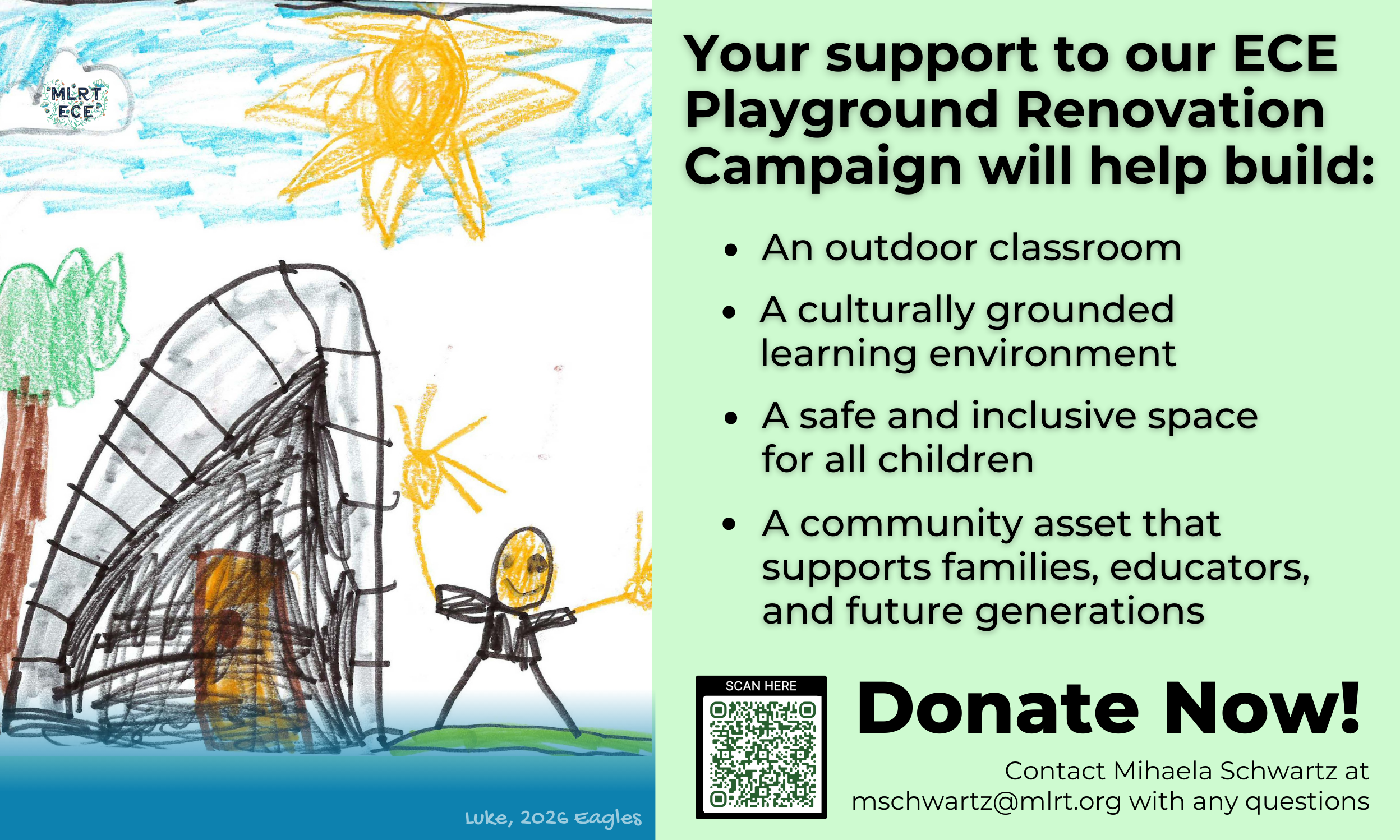
• An outdoor classroom
• A culturally grounded learning environment
• A safe and inclusive space for all children
• A community asset that supports families, educators, and future generations
When funders invest in this playground, they support early childhood development, inclusion, cultural continuity, and community well-being.
This playground recognizes children as capable learners and essential members of their community. The thoughtful design encourages curiosity, resilience, connection, and joy, building a strong foundation for lifelong learning and belonging, and offers deep-rooted connections to Jewish education.